Coal Mining Legacy Embroidery Review
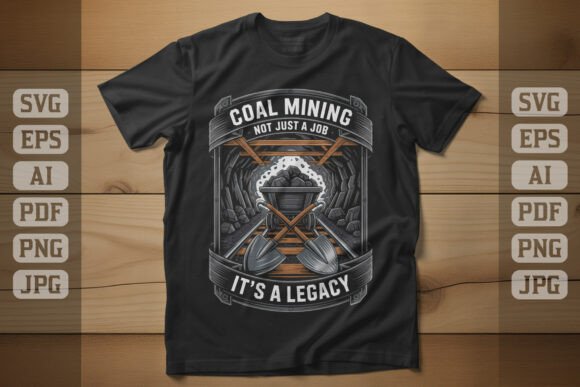
When I pull a new machine embroidery design into my hoop, I am not just looking at lines and curves. I am visualizing the finished product on a customer’s chest, the drape of the fabric, and the overall emotional impact of the piece. Today, I am evaluating a design titled Coal Mining Not Just a Job It s a Legacy. At first glance, this falls under the category of T-Shirt Designs and is categorized as Graphics, but in the world of embroidery, those labels barely scratch the surface. This is a statement piece that carries weight—literally and figuratively. As an experienced designer reviewing this for potential use in client projects, handmade products, and commercial assets, I want to share my practical insights on how this design performs in real-world stitching scenarios.
First Impressions and Visual Personality
The moment you load the embroidery file onto your screen, the mood is immediately established. The phrase "Not Just a Job It s a Legacy" suggests honor, resilience, and deep-rooted family history. Visually, retro-inspired graphics tend to rely on bold typography and strong silhouettes to convey their message without relying on complex shading or gradients, which can often get lost in stitch work. For a custom apparel item, this clarity is crucial. The design feels grounded and masculine, yet it has enough warmth to appeal to anyone honoring a miner in their life, whether they are a spouse, child, or friend.
The layout appears balanced, likely centering the text with perhaps a graphic element like a helmet, lamp, or pickaxe integrated into the composition. In my experience, designs that balance text with iconography perform best because they provide focal points for the eye. This isn’t just a block of text; it is a narrative. When I imagine this stitched onto a heavyweight cotton sweatshirt, the retro aesthetic pairs perfectly with the rugged nature of the subject matter. It creates a cohesive story before the viewer even reads the words.
Real-World Application: From Hoop to Handmade Product
I recently considered using this design for a boutique project—a personalized gift set for a mining enthusiast’s retirement. Here is how I see this embroidery project translating across different mediums:
- Sweatshirt Embroidery: This is the natural home for this design. The thick fabric provides the perfect stability for dense stitches, allowing the fill stitch areas to pop without puckering. The contrast between the dark fabric and bright thread colors will make the legacy message stand out boldly.
- Embroidered Patch: Converting this into a detachable patch for a denim jacket or a tool bag adds a layer of versatility. The clean lines of a graphics style design ensure that even when scaled down slightly, the details remain legible.
- Tote Bag Design: A canvas tote with this design printed or embroidered makes for a great trade show giveaway or craft fair item. However, one must be careful with the placement to ensure the weight of the embroidery doesn’t cause the thin canvas to sag over time.
- Kitchen Towels and Aprons: For a more domestic touch, placing a smaller version of this design on a heavy-duty apron honors the hard worker who spends hours cooking after a long shift. It transforms a utilitarian item into a sentimental keepsake.
For Etsy sellers and small shop owners, this design offers high perceived value. It taps into a niche market that values heritage and labor. When customers buy a handmade product with such specific meaning, they are not just buying fabric; they are buying recognition of their family’s struggle and success.
Technical Considerations and Stitch Performance
As we move from concept to execution, technical details become paramount. While the visual appeal is strong, the physical act of stitching this design requires attention to detail. The text "Coal Mining Not Just a Job It s a Legacy" contains several letters with varying stroke widths. In machine embroidery, thin strokes can sometimes break if the stitch density is too low or if the thread tension is off.
I strongly advise testing the stabilizer choice carefully. For a design of this nature, a cut-away stabilizer is usually the safest bet, especially if the final product will undergo frequent washing. A tear-away might leave residue or fail to support the fabric during the stitching of dense lettering. If you are working on stretchy fabrics like jersey knits for baby embroidery items (perhaps a onesie for a miner’s toddler), you must use a high-quality knit stabilizer to prevent distortion.
Another critical factor is thread colors. Retro designs often benefit from muted tones or high-contrast combinations. If the background is dark coal-black, white or gold threads will create the necessary visibility. If the background is heather grey, a cream or navy thread might offer a more sophisticated, less harsh look. Always test your color palette against the actual fabric you intend to use, as monitor colors rarely match thread colors exactly.
Where Caution Is Required
While this design is versatile, there are situations where it may not perform optimally:
- Small Hoop Sizes: If you attempt to digitize or stitch this into a very small area, the text may become illegible. Ensure your hoop size accommodates the full width of the design without crowding the edges.
- Textured Fabrics: Rough burlap or heavily textured weaves can obscure fine details. The satin stitch edges might not lay flat against a nubby surface, leading to a messy finish.
- Curved Surfaces: Attempting to stitch this directly onto a baseball cap can be challenging due to the curvature. The text may appear warped if the cap is not properly mounted in a specialized hoop. For curved surfaces, consider creating a separate embroidered patch that can be sewn on later.
- Dense Stitch Areas: If the design includes large blocks of solid color, check the underlay stitches. Poor underlay can cause the top thread to sink, resulting in a dull appearance.
Impact on Brand Consistency and Customer Trust
For creative entrepreneurs and craft business owners, the quality of your design assets directly impacts your brand reputation. A sloppy stitch job on a meaningful design like this can undermine the sentiment behind the words. Conversely, a crisp, well-executed embroidery project builds trust. When a customer receives a personalized gift that looks professional and durable, they are more likely to leave positive reviews and recommend your shop.
This design also lends itself well to printable mockups for digital marketing. Before committing to production, I recommend generating black-and-white and color mockups to see how the design interacts with different garment styles. Does it look good on a hoodie? On a button-down shirt? On a quilted vest? Seeing the design in context helps you target the right audience on social media platforms.
Final Verdict for Designers and Makers
The Coal Mining Not Just a Job It s a Legacy design is a powerful addition to any embroiderer’s library. It resonates emotionally, works well across multiple product types, and aligns with current trends in personalized and heritage-focused merchandise. However, its success depends entirely on your technical execution.
Before adding this to your commercial inventory, please remember to:
- Test the design on scrap fabric to confirm thread colors and tension.
- Inspect small details for clarity, especially in tight lettering.
- Confirm licensing terms if you plan to sell finished products or distribute the digital embroidery file.
- Ensure you have the correct stabilizer and hoop size for your chosen fabric.
If you approach this project with the same respect for the subject matter that the design intends to honor, you will create a finished product that stands out in the crowded marketplace of handmade goods. It is more than just a graphic; it is a tribute, stitched thread by thread.