Penguin Bartender Cocktail Shaker Design Review
As a designer who spends more time judging stitch density than drinking cocktails, I approach every new embroidery file with a mix of optimism and skepticism. The market is flooded with generic clipart disguised as digitized art, so when I encountered the Penguin Bartender Cocktail Shaker Design, I wanted to see if it held up under the microscope of real-world production. This isn't just about how cute a penguin looks; it’s about whether this design translates effectively from a screen to fabric, especially for those of us running small businesses or crafting personalized gifts.
First Impressions: Personality Meets Practicality
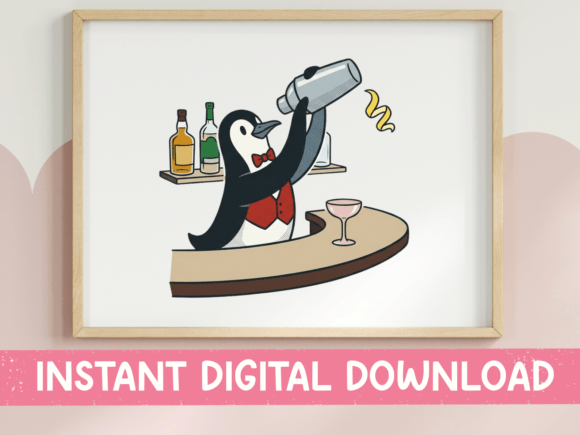
The immediate appeal of this design lies in its narrative. We are presented with a tuxedo-patterned penguin wearing a red bow tie, shaking a silver cocktail shaker behind a counter. It is playful, slightly whimsical, and instantly recognizable. For an embroidery project, visual personality is half the battle won. This machine embroidery design doesn’t rely on complex shading or photorealistic gradients that often fail in thread form. Instead, it leans into bold shapes and clear silhouettes, which is a smart choice for digitization.
The mood it creates is one of relaxed sophistication mixed with humor. It feels perfect for a boutique bar, a themed party, or a humorous gift for a cocktail enthusiast. The layout suggests a central focal point, likely the penguin and shaker, which makes it highly versatile for placement on various garments and accessories. It avoids the cluttered look that plagues many amateur designs, giving the eye a clear path to follow even after multiple washes.
Real-World Application: Where Does It Shine?
I have spent years testing files on everything from heavy-duty denim to delicate baby muslin. Here is where the Penguin Bartender Cocktail Shaker Design truly excels in practical scenarios:
- Custom Apparel and Sweatshirts: The bold nature of the penguin’s tuxedo pattern works beautifully on mid-weight fabrics. On a black or navy sweatshirt, the white and silver tones of the penguin and shaker will pop without requiring excessive thread usage. It adds a touch of "custom apparel" flair that stands out in a sea of plain tees.
- Tote Bag Designs: Canvas totes are a staple for craft fairs and Etsy sellers. This design fits perfectly on the front panel of a tote bag. The theme aligns naturally with shopping bags for wine stores, liquor shops, or general retail, making it a strategic choice for business owners looking to create branded merchandise.
- Kitchen and Bar Accessories: Think about aprons, tea towels, and kitchen towels. A penguin bartender is a charming addition to a home bar setup. When embroidered on a linen tea towel, it elevates a simple household item into a personalized gift that feels thoughtful and handmade.
- Baby Embroidery and Nursery Decor: While the theme is adult-oriented, the aesthetic is soft enough for nursery decor. Placed on a baby blanket or a onesie (perhaps paired with smaller text), it offers a unique alternative to traditional animal motifs. It appeals to parents who want something quirky rather than cliché.
- Embroidered Patches: The contained nature of the scene makes it ideal for iron-on or sew-on patches. These can be used to customize backpacks, jackets, or hats, adding a layer of texture and durability that printed graphics cannot match.
Critical Considerations for Stitching Success
No design is flawless, and understanding the limitations is what separates a professional result from a beginner mistake. When evaluating this embroidery file, several factors require careful attention during the hooping and stitching process.
Fabric Texture and Stability: This design should be used carefully on textured fabrics like bouclé or heavy chenille, as the base texture may interfere with the clarity of the penguin’s features. Similarly, thin or stretchy fabrics pose a risk of puckering if the stitch density is too high. Always use a proper stabilizer—cut-away for knits and tear-away for wovens—to ensure the final product maintains its shape. If you are working on curved surfaces like caps, the distortion inherent in the curve must be accounted for in the digitizing software before stitching begins.
Detail Level and Hoop Size: While the design is visually clear, tiny details such as the ice cubes in the shaker or the feathers on the bow tie need sufficient space to breathe. Attempting to downsize this design too much can result in a muddy blob of thread. Ensure your hoop size accommodates the full resolution of the artwork. If you are using satin stitch for outlines, check that the corners are rounded appropriately to prevent needle deflection and thread breaks.
Color Contrast: The description mentions a silver cocktail shaker. In embroidery, "silver" is often represented by metallic threads or light grey polyester. Metallic threads can be temperamental, breaking easily or creating lint. If the design relies heavily on silver, test it on scrap fabric first. Furthermore, placing this design on dark fabric requires bright, contrasting threads to maintain visibility. On light fabric, you may need to add a backing stabilizer or underlay stitches to prevent the fabric color from showing through lighter threads.
Impact on Brand Value and Customer Trust
For Etsy sellers and small shop products, the quality of the embroidery directly influences customer trust. A well-executed Penguin Bartender Cocktail Shaker Design signals professionalism. It shows that you care about the finish, not just the concept. Customers are willing to pay a premium for handmade goods that feel durable and polished.
This design enhances brand consistency for businesses with a fun, modern, or hospitality-focused identity. It is highly giftable, which drives sales during holidays and special occasions. When buyers see a finished product that looks sharp and clean, they are more likely to leave positive reviews and recommend your craft business to others. Conversely, a poorly stitched version could damage your reputation, highlighting the importance of pre-production testing.
Practical Designer Notes Before You Stitch
Before committing this design to a final product, I strongly advise taking these steps to ensure success:
- Test on Scrap Fabric: Never run a new design straight onto your final garment. Use a piece of the same material to check for tension issues, puckering, or thread breaks.
- Review Stitch Density: Look at the digital preview. Are there areas where fill stitches overlap excessively? High density can make the fabric stiff and uncomfortable, especially on baby clothes or lightweight t-shirts.
- Check Thread Colors: Compare the intended thread colors against your actual spools. Screen colors can be deceiving. Ensure the red bow tie pops against the black tuxedo and that the silver shaker has enough contrast.
- Inspect Small Details: Zoom in on the digital file. Can the smallest elements be stitched cleanly? If lines are too thin, they may disappear after washing.
- Black and White Mockups: View the design in grayscale. This helps you assess the balance of light and dark areas without being distracted by color.
- Confirm Licensing: If you plan to sell the finished items, verify the commercial use rights of the digital embroidery file. Some licenses restrict the number of units you can produce.
In conclusion, the Penguin Bartender Cocktail Shaker Design is a strong candidate for anyone looking to add a touch of humor and elegance to their embroidery projects. Its clear shapes, engaging theme, and versatile application make it a valuable asset for both hobbyists and professionals. By paying attention to fabric choice, stabilization, and thread selection, you can transform this digital graphic into a stunning physical reality that delights customers and elevates your brand.