Ride Free Vintage Riding Palm Beach Review
When I pull a new digital asset into my design software, I am rarely looking for just another pretty picture. As a designer who spends hours troubleshooting tension issues and refining stitch paths, I am looking for viability. Does this graphic hold up when translated from pixels to thread? Will it age well on a garment that has been washed twenty times? Today, I am putting Ride Free Vintage Riding Palm Beach through that same rigorous mental checklist. This is not just about how the image looks on a screen; it is about how it performs as a machine embroidery design in the real world.
First Impressions: The Mood and Visual Personality
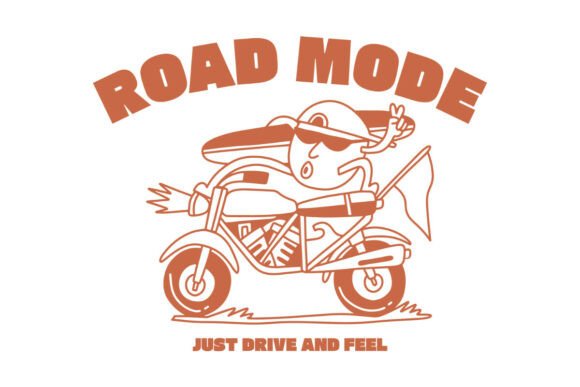
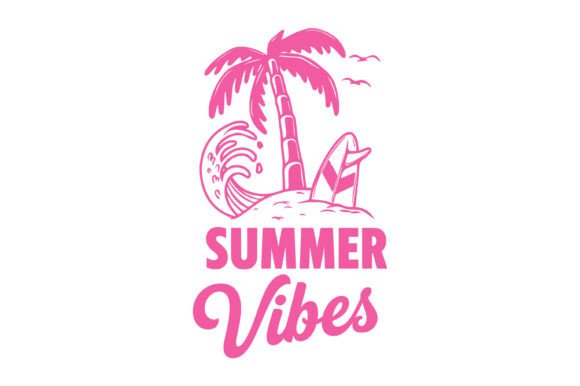
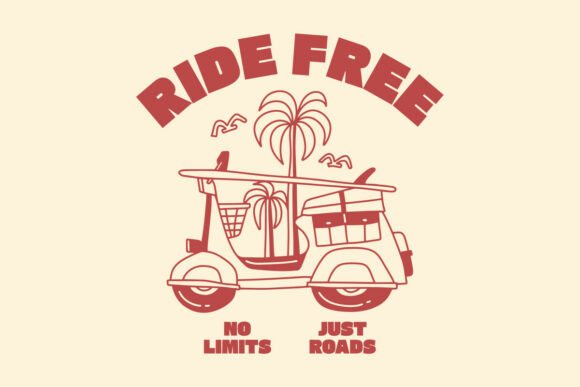
The immediate vibe of Ride Free Vintage Riding Palm Beach is nostalgic but crisp. It taps into that specific retro summer aesthetic that never really goes out of style. The concept—a vintage surfing beach theme with a tropical paradise graphic—suggests warmth, leisure, and a carefree attitude. From a design perspective, the cartoon vector illustration style works in its favor. Unlike overly complex photorealistic images that can turn into muddy blobs when digitized, this clean line work offers clear boundaries for stitching.
For an embroidery project, clarity is king. The layout feels balanced, suggesting that whether it is placed on the left chest of a sweatshirt or centered on a tote bag, it will command attention without overwhelming the fabric. The visual personality is approachable and fun, which makes it highly suitable for casual wear and lifestyle products. It does not feel corporate or stiff; it feels like something you would actually want to wear on a weekend trip.
Real-World Application: Where This Design Shines
I have been thinking about where Ride Free Vintage Riding Palm Beach fits best in a small business inventory. My first instinct is to look at custom apparel. This design screams sweatshirt embroidery. Imagine a heather grey crewneck with this graphic stitched in vibrant, saturated threads. The contrast between the soft fleece and the textured stitches creates a premium feel that customers appreciate.
However, its versatility extends far beyond hoodies. Because the graphic is rooted in a vacation and holiday theme, it is perfect for embroidered patch applications. A sturdy canvas tote bag design featuring this artwork would be a hit at craft fairs or as a boutique branding item. It also translates beautifully to home goods. I can easily see this on a linen tea towel or a lightweight pillow cover for a nursery or guest room, bringing that tropical paradise graphic into the home environment.
For the Etsy seller or small shop product creator, this design offers excellent giftability. It works as a personalized gift for someone heading on a summer road trip or as a unique keepsake for a beach wedding. The thematic elements of riding, surfing, and palm trees allow it to cross over multiple niches, from surf culture enthusiasts to general lovers of vintage aesthetics.
Technical Considerations and Stitch Execution
As we move from concept to execution, we must discuss the technical side of digitizing this graphic. Since the source is a vector illustration, the potential for high-quality output is there, but the final result depends entirely on how the embroidery file is constructed. When evaluating this for commercial use, I always consider the stitch density.
If the designer uses too much fill stitch, the fabric may pucker, especially on thinner materials. Conversely, if the detail is too sparse, the underlying fabric color might show through, ruining the vibrancy of the thread colors. The design likely relies on a mix of satin stitches for outlines and running stitch for finer details. This combination is generally safe for most fabrics, provided the hoop size is respected. Large, dense areas need adequate support, while smaller decorative accents should remain light to maintain flexibility.
One critical factor is the stabilizer. For a design with this level of detail, using the correct stabilizer is non-negotiable. On stretchy knits, a cut-away stabilizer is usually required to prevent distortion during washing. On woven cottons for tote bags, a tear-away might suffice, but stability is key to keeping those clean lines sharp.
Fabric and Surface Challenges
While this design is versatile, it is not without its challenges. There are certain scenarios where Ride Free Vintage Riding Palm Beach requires careful handling:
- Small Hoop Sizes: If you attempt to stitch this in a very small hoop, fine details may merge together. Always check the minimum recommended dimensions before committing to a tiny accessory.
- Textured Fabrics: Bouclé wool or heavily textured denim can obscure the intricate parts of the cartoon illustration. Smooth fabrics like cotton twill or polyester blends will yield the crispest results.
- Dark Fabric: Stitching light-colored threads on dark backgrounds requires high opacity. You may need to add an underlay or increase the stitch density to ensure the design pops and isn’t lost in the weave of the fabric.
- Curved Surfaces: Applying this to a cap or hat requires careful hooping techniques. The flat nature of the vector art needs to conform smoothly to the curve of the head without warping.
Brand Consistency and Customer Trust
In the world of handmade products, presentation is everything. A well-executed embroidery job signals professionalism and care. When a customer receives a handmade product with a clean, stable, and vibrant design like Ride Free Vintage Riding Palm Beach, it builds trust. They perceive higher value in the item.
Furthermore, this design supports brand consistency. Its retro vibe is timeless enough that it won’t look dated in six months. For a craft business aiming to build a loyal following, offering designs that evoke positive emotions—like nostalgia and relaxation—is a smart strategy. This graphic encourages engagement because it tells a story. It invites the wearer to imagine a sunny day by the ocean.
Practical Designer Notes Before You Stitch
Before you upload this to your machine or list it as a digital embroidery file for sale, follow these practical steps to ensure success:
- Test on Scrap Fabric: Never go straight to the final product. Stitch the design on a scrap piece of the intended fabric to check for puckering, thread breaks, or tension issues.
- Review Stitch Density: Zoom in on the digitized version. Are there any overly dense areas that might cause needle breakage? Adjust the settings if necessary.
- Check Thread Contrast: Select thread colors that complement the design’s mood. High contrast usually works best for readability, but tonal threads can create a sophisticated, subtle look.
- Inspect Small Details: Look closely at the smallest lines and curves. In embroidery, what looks good on screen can disappear if the stitches are too thin. Ensure all elements are large enough to be stitched clearly.
- Black and White Mockup: Convert the design to black and white to check its silhouette. If the shape is still recognizable without color, the composition is strong.
- Confirm Licensing: This is crucial for commercial embroidery projects. Verify the license terms before selling finished items. Some licenses restrict the number of units you can produce or prohibit resale altogether.
Final Verdict
Ride Free Vintage Riding Palm Beach is a strong candidate for designers looking to expand their catalog with seasonal, lifestyle-oriented items. Its clean vector origins make it adaptable, and its nostalgic theme ensures broad appeal. Whether you are creating a one-off personalized gift or mass-producing custom apparel for a boutique, this design provides a solid foundation. By paying attention to fabric choice, stabilizer selection, and stitch quality, you can transform this graphic into a finished product that stands out in a crowded market. It is a reliable, visually pleasing asset that respects both the craft of embroidery and the preferences of the modern consumer.