Vintage Ramen Bowl Character Design Review
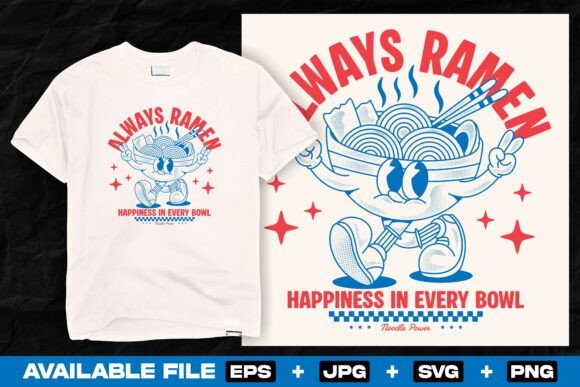
When I sit down to evaluate a new machine embroidery design, my first instinct is always to look past the digital preview and imagine the finished product on actual fabric. Too many designers get caught up in flashy colors or overly complex details that simply do not translate well when stitched. That is why I approach the Vintage Ramen Bowl Character Design with a critical but open eye. This piece, described as a classic retro mascot with halftone texture and "Always Ramen" typography, promises a specific aesthetic: nostalgic, playful, and distinctly streetwear-inspired. But does it hold up under the needle? After analyzing its structure and potential applications, here is my practical breakdown for Etsy sellers, small business owners, and fellow embroidery designers.
The First Impression: Mood and Visual Personality
The immediate draw of this design is its strong retro vibe. In the world of custom apparel, nostalgia is a powerful currency. The halftone texture mentioned in the description suggests a printed aesthetic that we are trying to replicate in thread. For an experienced stitcher, this presents an interesting challenge. Can a machine mimic the grainy, vintage feel of a 1970s ramen advertisement through stitch density and color variation alone?
The layout appears to be centered around a character nestled within a bowl, likely holding chopsticks or steam rising from the top. This composition is excellent for branding because it creates a clear focal point. It feels like something you would see on a sticker at a bustling night market or a weathered sign in a Tokyo alleyway. For a craft business, this kind of distinct personality helps your products stand out in a crowded marketplace. It isn't just a generic food item; it is a character with attitude.
Real-World Application: Where This Design Shines
I often think about where a design will live before I even load the hoop. The Vintage Ramen Bowl Character Design feels most at home on items that benefit from a casual, fun, and slightly edgy aesthetic. Let us look at a few scenarios where this embroidery project would truly succeed.
First, consider the tote bag design angle. A canvas tote featuring this retro mascot would look incredibly authentic. The bold lines of a character design tend to pop against natural cotton or duck canvas. If you are selling these bags at a craft fair, the "Always Ramen" text adds a conversational element that buyers love. It invites questions, which drives engagement and sales.
Secondly, this design is a perfect candidate for sweatshirt embroidery. Streetwear relies heavily on graphic tees and hoodies. By placing this character on the chest of a heavyweight hoodie, you create a piece of wearable art that feels curated rather than mass-produced. The vintage theme aligns perfectly with current trends in thrift-flip culture and upcycled fashion.
For the kitchen towel or apron market, this design offers a touch of humor without being too childish. Home cooks who appreciate good food and good aesthetics will enjoy having a personalized gift that reflects their passion. Imagine a set of embroidered kitchen towels featuring this ramen character paired with a matching apron—it elevates a simple handmade product into a boutique-level offering.
Finally, do not overlook the potential for embroidered patches. Many enthusiasts collect patches for denim jackets and backpacks. If this design can be digitized effectively as a separate patch file, it opens up a whole new revenue stream for your digital product seller inventory.
Where Caution Is Required
While the concept is strong, not every surface is suitable for this type of detailed work. You must be careful when applying this to small hoop sizes. If the character includes fine details in the eyes or the texture of the noodles, shrinking the design down might cause those elements to merge into a blurry mess. Always test on scrap fabric first to ensure the stitch density remains clear.
Furthermore, avoid using this on highly textured fabrics like heavy bouclé wool or thick terry cloth unless you have significant experience. The needle may struggle to penetrate evenly, leading to skipped stitches or distortion of the character's shape. Stretchy fabrics, such as thin jersey knits used for baby clothes, also require a firm stabilizer to prevent puckering. If the design shifts during stitching, the symmetry of the bowl and character could be lost, ruining the professional look of the final item.
Technical Considerations for the Embroidery Designer
To get the best result from the Vintage Ramen Bowl Character Design, you need to pay attention to the technical execution. Here are some notes based on real-world stitching experience:
- Thread Colors: Since the original is described with halftone textures, you cannot rely on a single color block. You will likely need multiple shades of thread to simulate depth. High-quality polyester threads with good sheen will help mimic the glossy look of a printed illustration.
- Satin vs. Fill Stitch: The outline of the bowl and the character should probably use a tight satin stitch for clean edges. However, the background or texture areas might require a fill stitch. Check the digitization to ensure the fill stitches are aligned properly so they do not create unwanted ridges on the fabric.
- Stabilizer Choice: Cut-away stabilizer is generally recommended for garments that will be washed frequently, such as commercial embroidery projects on caps or jackets. For temporary items like tea towels, tear-away might suffice, but cut-away ensures longevity.
- Typography Clarity: The "Always Ramen" text needs to be legible. If the letters are too thin or stylized, they may break apart during stitching. Inspect the lettering closely in black and white mockups to ensure contrast and readability.
Impact on Brand and Customer Trust
Using a well-executed design like this affects more than just the look of the item; it influences customer trust. When a buyer receives a personalized gift or a small shop product that looks professionally stitched, they perceive higher value. They are less likely to complain about quality and more likely to leave positive reviews. Conversely, if the embroidery file has poor spacing or excessive jump stitches that show on the back, it signals a lack of care.
This design supports brand consistency if you are building a niche around foodie culture, retro aesthetics, or Japanese-inspired goods. It signals to your audience that you understand the style they want. For creative entrepreneurs, having assets that resonate emotionally with customers is key to long-term success.
Final Verdict
The Vintage Ramen Bowl Character Design is a solid choice for anyone looking to add a bit of retro charm to their graphics portfolio. It works beautifully for apparel decorators targeting younger demographics and for makers creating unique home decor items. Just remember to respect the limits of the medium. Test thoroughly, choose the right fabric, and ensure your digitization captures the spirit of the original illustration. If done correctly, this design can become a staple in your collection of design assets.