Bonfire Builder Camping Fire Art Review
When I pull a new embroidery file from my library, I don’t just look at the preview image. I think about the needle, the thread tension, and the fabric under the hoop. Today, I am evaluating Bonfire Builder Camping Fire Art, a piece that falls under the broader umbrella of T-Shirt Designs and Graphics. While originally categorized for screen printing or sublimation on apparel, its visual weight and thematic resonance make it an interesting candidate for machine embroidery. If you are an Etsy seller, a small shop product creator, or a crafter looking to add a unique touch to your handmade product line, this design deserves a closer look.
First Impressions: The Mood and Visual Personality
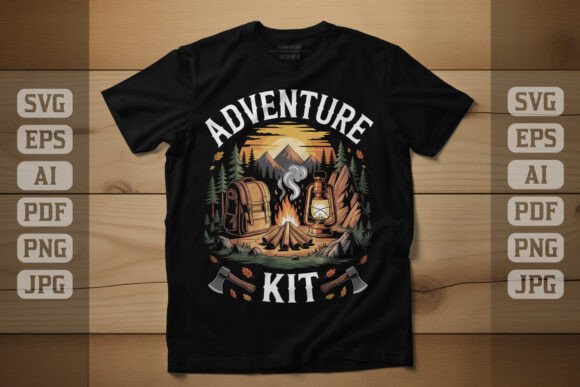
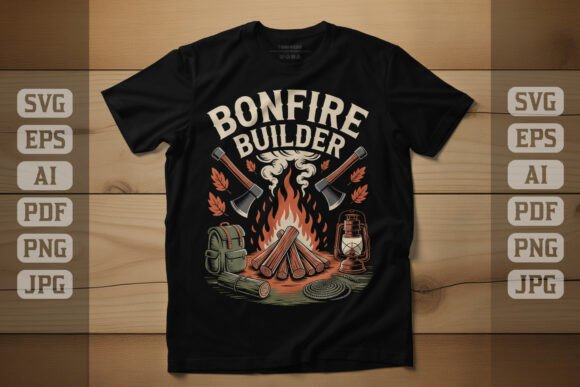
The name alone sets a scene. Bonfire Builder Camping Fire Art evokes nostalgia, warmth, and the rugged simplicity of outdoor adventures. From a designer’s perspective, the typography-driven nature of this graphic suggests a retro aesthetic, likely relying on bold shapes and strong contrast rather than delicate, intricate lines. This is crucial for embroidery. Unlike fine-line vector art which can become muddy when stitched, a design with solid forms and clear negative space translates beautifully into thread.
The visual personality here is confident and masculine-leaning, though certainly not exclusive. It speaks to the bushcraft community, the camping enthusiast, and anyone who finds peace around a fire pit. For those of us creating custom apparel or personalized gifts, tapping into this specific emotional connection is half the battle won. The design doesn’t just sit on the garment; it tells a story of campouts, marshmallows, and quiet evenings. That narrative quality adds significant value to your finished product.
Real-World Application: Where Does This Design Shine?
I have spent years testing how graphics translate to stitches, and I see several high-potential use cases for Bonfire Builder Camping Fire Art. Let’s look at where this design truly excels in a real production environment.
- Sweatshirt Embroidery: Heavy cotton fleece or French terry provides the perfect stable foundation for this type of graphic. The thickness of the fabric supports the weight of the thread without puckering. Imagine this centered on the chest of a charcoal gray hoodie—it immediately becomes a premium custom apparel item.
- Tote Bag Design: Canvas tote bags are a staple for craft business owners. The durability of canvas pairs well with the rugged theme of the design. A large, bold placement on the front of a natural-colored canvas bag creates a striking contrast, especially if you use earth-tone threads like burnt orange, deep brown, or cream.
- Embroidered Patch: Converting this graphic into an applique design or a dense fill-stitch patch allows for immense versatility. You could attach these patches to denim jackets, backpacks, or beanies. This approach is excellent for commercial embroidery projects where you want a detachable or modular element.
- Kitchen Towels and Aprons: Do not overlook the home goods market. A smaller version of this design on a linen apron or a tea towel taps into the "cabin core" trend. It serves as a wonderful holiday embroidery gift for hosts who love to entertain outdoors.
- Baby Embroidery: Yes, even baby items. A subtle, scaled-down version on a muslin swaddle or a onesie cap can appeal to parents who identify with the lifestyle. It moves away from traditional floral or animal motifs and offers something more modern and lifestyle-focused.
Technical Considerations and Stitching Challenges
As an experienced reviewer, I must address the technical realities of stitching this design. Typography-based graphics rely heavily on legibility. If the lettering is too thin or the spacing too tight, the result will be a blob of thread rather than readable text.
Stitch Density and Hoop Size: Before committing to a run, you must check the stitch density. If the design uses heavy fill stitches for the background elements (like flames or wood), ensure your machine can handle the load without breaking needles. Always confirm the required hoop size matches your project dimensions. A design that looks great on a 5x7 inch frame might lose critical detail if forced into a smaller 4x4 hoop.
Fabric Texture and Stability: This design demands a stable base. On stretchy knits, you risk distortion unless you use a high-quality tear-away or cut-away stabilizer. On textured fabrics like boucle or heavy tweed, the thread may not lay flat, obscuring the details of the graphic. I strongly advise testing on scrap fabric first to assess how the thread colors interact with the specific weave of your material.
Small Details and Corners: If the design includes tiny decorative accents or sharp corners in the typography, inspect them closely. In embroidery, extreme points often blunt out. You may need to adjust the digitization slightly to round off corners or merge small gaps to ensure the design remains crisp after washing.
Aesthetic Impact and Customer Perception
How does Bonfire Builder Camping Fire Art affect the perceived value of your item? Well-executed embroidery signals quality. When a customer sees a clean, well-stitched graphic on a handmade product, they associate it with care and professionalism. This design, with its retro vibe, appeals to a demographic that values authenticity and craftsmanship.
For Etsy sellers and digital product sellers, the visual appeal extends to your marketing. High-quality printable mockups featuring this embroidered design can drive engagement. Buyers are drawn to products that look tactile and substantial. The contrast between the soft fabric and the structured thread work creates a sensory appeal that digital images struggle to convey but that customers deeply appreciate.
Furthermore, the theme itself drives recognition. People who love camping and bushcraft are passionate about their hobbies. Wearing or using a product that acknowledges that passion fosters brand loyalty. It transforms a simple finished product into a badge of identity.
Practical Designer Notes for Success
To ensure your project with Bonfire Builder Camping Fire Art is a success, keep these practical tips in mind:
- Black and White Mockups: Convert your design to grayscale before stitching. This helps you evaluate the balance of light and dark areas without the distraction of color.
- Thread Color Contrast: Avoid low-contrast combinations. Dark brown thread on black fabric will disappear. Opt for high-contrast pairings like gold on navy, white on black, or rust on beige to ensure the typography pops.
- Licensing Check: Since this originates from T-Shirt Designs and Graphics categories, verify the license terms. Ensure you have commercial rights if you plan to sell the embroidery project as a physical item. Some licenses allow personal use only.
- Test Runs: Never skip the test run. Stitch the design on the exact fabric you intend to use. Check for puckering, thread breaks, and alignment issues.
- Design Assets Integration: If you are combining this graphic with other elements, ensure the style matches. Mixing a retro typography font with a highly realistic photorealistic applique can create visual dissonance.
Final Verdict
Bonfire Builder Camping Fire Art is a versatile, mood-rich design that bridges the gap between casual graphic tees and premium embroidered goods. Its strength lies in its thematic clarity and robust visual structure, making it ideal for custom apparel, tote bag design, and lifestyle accessories. While it requires careful attention to stitch density and fabric choice, the payoff in terms of customer engagement and product value is significant.
For designers looking to expand their design assets into the outdoor and camping niche, this is a strong addition. It invites creativity, encourages personalization, and results in a handmade product that feels both nostalgic and modern. Whether you are preparing for a craft fair or updating your Etsy listings, this design offers a reliable foundation for creating memorable, wearable art.