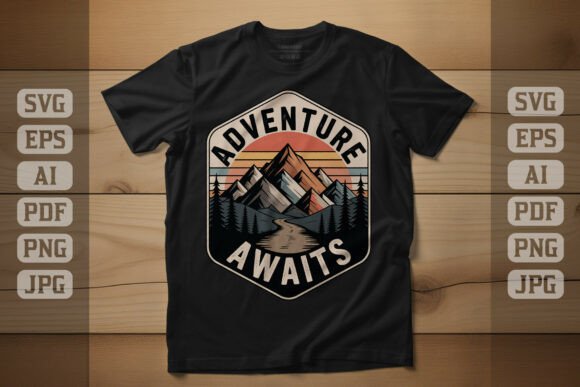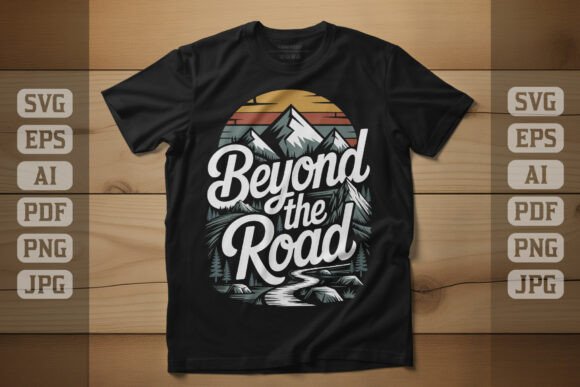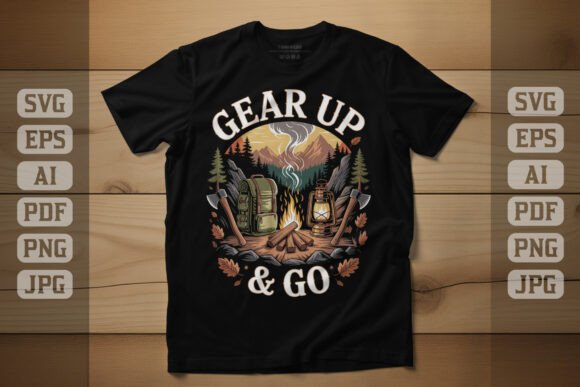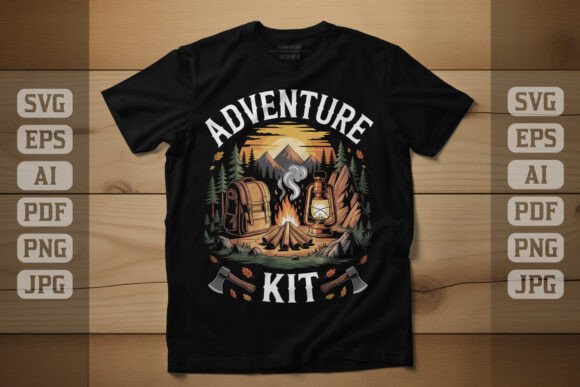
Survivalist Wilderness Expert Art Review
As a designer who spends more time staring at digitized files than sleeping, I approach every new asset with a mix of skepticism and curiosity. When Survivalist Wilderness Expert Art landed in my queue, I didn’t just see another graphic; I saw a potential centerpiece for a high-value handmade product line. The description highlights its roots in outdoor camping gear, bushcraft, and retro typography, which immediately signals a specific demographic: people who value rugged authenticity and practical skills. But does it translate well from a screen to thread? That is the real question for any Etsy seller, small shop product creator, or craft business owner looking to add depth to their inventory.
I decided to put this design through the wringer. My goal was to determine if Survivalist Wilderness Expert Art holds up as a serious contender for commercial embroidery projects, particularly when targeting the growing market for personalized gifts and custom apparel. This review breaks down the visual personality, stitching performance, and strategic use cases based on real-world application.
First Impressions: Mood and Visual Personality
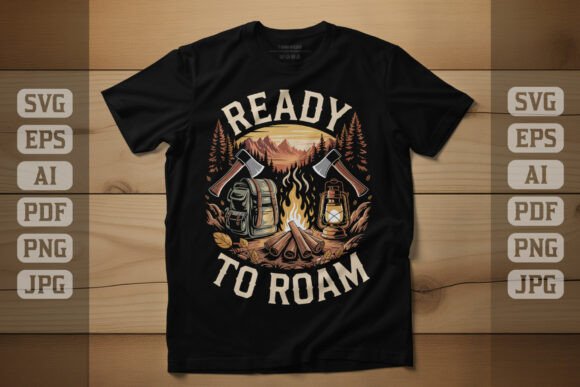
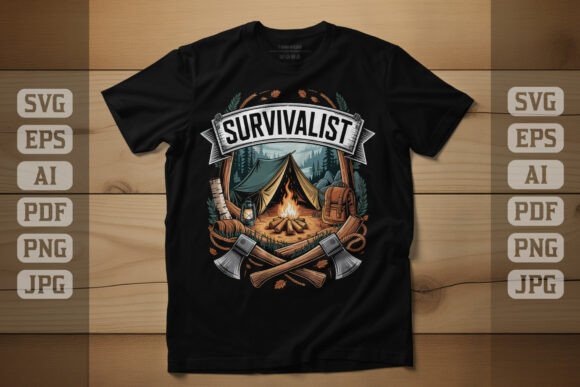
The immediate appeal of Survivalist Wilderness Expert Art lies in its bold, retro-inspired typography. In the world of machine embroidery design, text-heavy graphics can be risky. Poor kerning or overly thin fonts often result in messy satin stitches that look unprofessional under close inspection. However, this design feels grounded. It evokes the feeling of a vintage park ranger patch or a weathered canvas tote from a 1970s camping supply store.
The layout suggests a strong central focus, likely utilizing heavy fill stitch areas to anchor the text. For an embroidery project, this density is crucial. It provides enough visual weight to stand out on dark fabrics while offering enough contrast against lighter backgrounds. The "wilderness expert" theme resonates deeply with hobbyists and makers who appreciate the outdoors. When you stitch this onto a garment, it doesn’t just look like a logo; it looks like a statement of identity. This emotional connection is what drives engagement for digital product sellers and those creating printable mockups for their shops.
Real-World Application: Where This Design Shines
I envision Survivalist Wilderness Expert Art performing exceptionally well in several specific categories. Let’s look at how it translates into tangible products.
- Sweatshirt Embroidery: This is perhaps the strongest use case. The rugged aesthetic pairs perfectly with heavyweight cotton blends found in hoodies and crewnecks. The retro vibe complements the casual nature of sweatshirts, making it ideal for fall and winter collections. Imagine this stitched on the chest of a charcoal gray sweatshirt—it instantly elevates a basic item into a boutique piece.
- Tote Bag Design: Canvas totes are staples for the eco-conscious camper. Using this design on a sturdy jute or canvas bag creates a cohesive brand story. The durability of the fabric matches the "survivalist" theme, ensuring the finished product lasts as long as the message implies.
- Embroidered Patch: If the file includes clean edges or is intended for applique design techniques, this could work beautifully as a detachable patch. Customers love adding personality to backpacks, denim jackets, and hats. A well-executed patch adds perceived value and allows for versatile styling.
- Holiday Embry and Personalized Gifts: For fathers, grandfathers, or partners who are avid campers, this design hits all the right notes. It serves as a thoughtful personalized gift that acknowledges their hobbies. During the holiday season, items featuring this motif tend to perform well because they feel unique compared to generic seasonal decor.
Technical Considerations and Stitch Performance
Transitioning from a digital graphic to a physical embroidery file requires careful planning. Here is how I evaluate the technical viability of Survivalist Wilderness Expert Art.
Stitch Density and Clarity: Typography designs live or die by their legibility. If the lettering relies on thin lines, it may break or pucker during the stitching process. I recommend checking the stitch density closely. If the design uses mostly fill stitch for the main words, ensure there is adequate underlay to prevent fabric distortion. Running stitch accents, if present, should be spaced appropriately to avoid tangling.
Thread Colors: The retro theme suggests earth tones—olive greens, burnt oranges, faded browns, or cream whites. These colors not only fit the aesthetic but also hide minor imperfections better than bright neons. When selecting your thread colors, consider the base fabric. A cream thread on a navy background offers high contrast, while white on black might require a thicker stitch count to ensure visibility.
Stabilizer Selection: Because this design likely features dense text, using the correct stabilizer is non-negotiable. For stretchy fabrics like sweatshirt material, a cut-away stabilizer is essential to maintain shape after washing. For stable fabrics like canvas or twill, a tear-away might suffice, but a wash-away backing can provide extra support during the stitching phase without leaving residue.
Where to Use Caution
Not every surface is suitable for this level of detail. There are specific scenarios where Survivalist Wilderness Expert Art might struggle.
- Small Hoop Sizes: If the design is large, attempting to shrink it significantly for small hoop sizes (like 4x4 inches) can compromise the integrity of the letters. Tiny lettering becomes illegible and prone to thread breaks.
- Textured or Stretchy Fabrics: While sweatshirts are good, highly textured fabrics like bouclé or very thin, slippery synthetics can cause puckering or uneven stitches. Always test on scrap fabric first.
- Curved Surfaces: Applying this to caps or curved hat fronts requires precise hooping techniques. If the design has sharp corners or intricate details, they may distort on a curved brim. Simplified versions or center-focused layouts work best here.
- Frequent Washing: For items like kitchen towels or aprons that undergo rigorous laundering, ensure the design is anchored properly. Loose threads or insufficient edge stitching can lead to fraying over time.
Strategic Advice for Sellers and Makers
If you are considering adding this to your catalog, here are some final professional tips to maximize success.
Mockup Realism: When creating listings, use realistic mockups that show the texture of the thread. A flat image of the graphic does not convey the quality of the handmade product. Show close-ups of the satin stitch edges and the fill areas. This builds trust with buyers who want to know exactly what they are purchasing.
Licensing and Commercial Use: Before selling finished items, verify the licensing terms associated with the Graphics category. Ensure you have the right to sell embroidered goods derived from this design. Many commercial embroidery opportunities hinge on clear legal standing.
Brand Consistency: If your shop focuses on outdoor or rustic themes, this design fits seamlessly. It reinforces your brand identity as a provider of authentic, adventure-ready gear. For shops with a different aesthetic, consider whether the rugged tone aligns with your customer base.
In conclusion, Survivalist Wilderness Expert Art is a strong candidate for designers looking to tap into the outdoor and bushcraft markets. Its retro typography and bold layout offer excellent potential for high-quality embroidered products. By paying attention to stitch density, fabric choice, and proper stabilization, you can transform this digital asset into a profitable and visually striking embroidery project. Test it thoroughly, respect the technical limitations, and let the rugged charm of the design speak for itself.