Ready to Roam Hiking Adventure Review
When I sit down to evaluate a new machine embroidery design, my first instinct is always practical: will this hold up in the hoop? Will it look good on a finished product that someone actually wears or uses daily? Today, I am looking at Ready to Roam Hiking Adventure, a piece categorized under T-Shirt Designs and Graphics. At first glance, it presents itself as a retro-inspired typography piece meant for outdoor enthusiasts. But beyond the initial aesthetic appeal lies the question of execution. As an experienced designer reviewing this for potential client projects, handmade products, and commercial use, I want to break down how this design truly performs when translated from screen to fabric.
First Impressions and Visual Personality
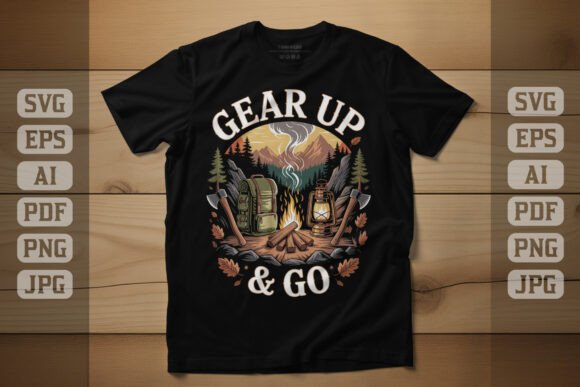
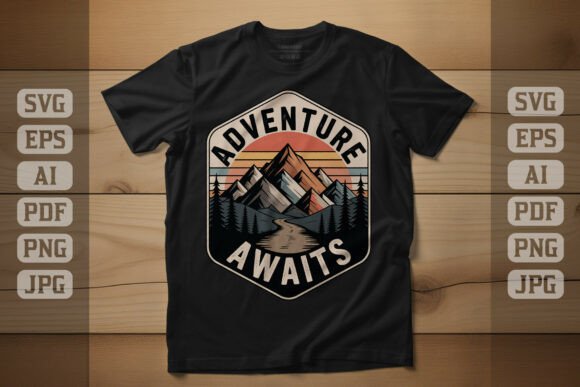
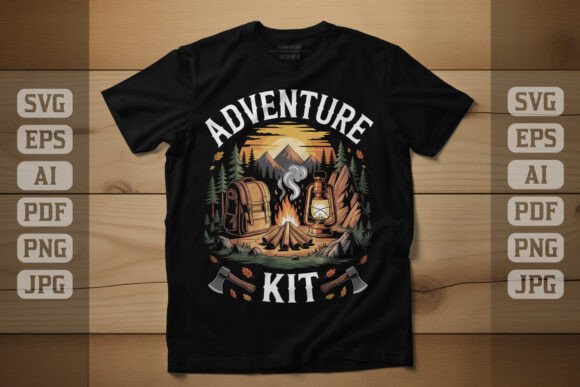
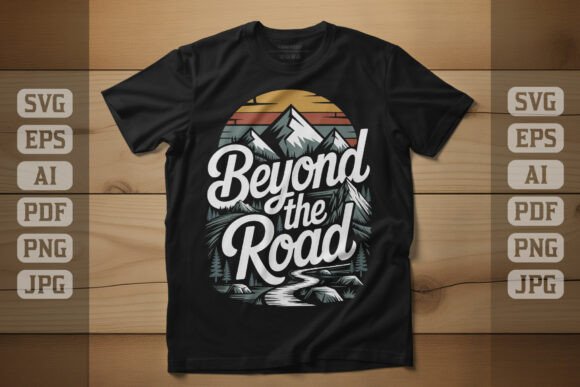
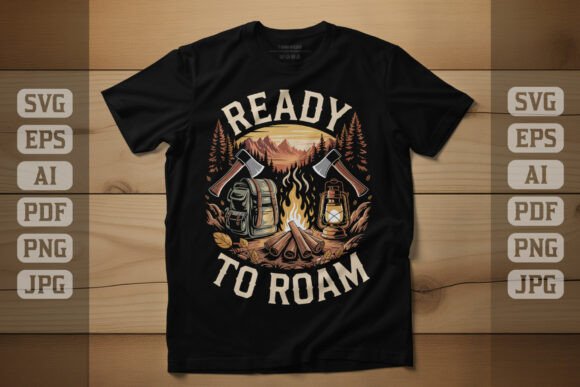
The mood of Ready to Roam Hiking Adventure is instantly recognizable. It taps into the current trend of bushcraft and vintage outdoor aesthetics. The typography feels rugged yet polished, suggesting a sense of wanderlust without being overly literal with mountain imagery. For a designer, this is a smart approach. Purely graphic designs often age better than those reliant on specific illustrative trends because they rely on shape and letterform strength.
Visually, the layout is balanced. It does not feel cluttered, which is crucial for embroidery. In the digital realm, you can add endless details; in embroidery, every extra stitch adds cost, time, and potential points of failure. This design seems to understand that limitation. It relies on strong contrast between its elements, likely utilizing a mix of satin stitch for outlines and fill stitch for solid blocks of color. This combination promises a tactile finish that invites touch—a key factor in selling handmade goods.
Real-World Application: From Screen to Stitch
Let’s imagine a real scenario. You are preparing inventory for an upcoming craft fair or updating your Etsy shop for the holiday season. You decide to create a line of custom embroidered tote bags featuring nature-themed quotes. Ready to Roam Hiking Adventure fits this niche perfectly. However, the success of this project depends entirely on how you execute the stitching.
For a tote bag design, stability is paramount. Canvas bags are thick and unforgiving if not stabilized correctly. If you place this design on a standard cotton canvas, you need a heavy-duty cut-away stabilizer to prevent puckering. The retro typography likely features bold curves or sharp angles. If the design includes small decorative accents or intricate lettering details, these areas must be tested carefully. On a large tote, the design might dominate the visual field, so placement should be centered or slightly off-center to allow for the bag’s structure.
Consider also using this design for sweatshirt embroidery. Hoodies and crewnecks are staples for the hiking demographic. The soft texture of fleece or cotton blends interacts differently with thread than woven canvas. A fill stitch area on a hoodie can look plush and high-quality, but if the stitch density is too high, the fabric may become stiff and uncomfortable against the skin. Conversely, if the density is too low, the underlying fabric may show through, ruining the clean look of the typography. This is where checking your test swatches becomes non-negotiable.
Beyond Apparel: Versatility in Home Goods
While originally categorized as a t-shirt graphic, the versatility of this design extends to home decor. Imagine an embroidered patch applied to a kitchen towel or a pillow cover. The "retro" vibe pairs exceptionally well with rustic home aesthetics. For a kitchen towel, the smaller surface area means the typography needs to remain legible. If the text is condensed, ensure the font weight is sufficient to survive the washing machine. For a pillow cover, the design can be larger, allowing the viewer to appreciate the texture of the threads. This adaptability increases the value of the design asset, allowing you to market it across multiple product categories.
Where Caution Is Required
No design is flawless for every application. There are specific scenarios where Ready to Roam Hiking Adventure requires careful handling or might simply fail.
- Small Hoop Sizes: If you attempt to digitize or stitch this on a very small hoop (under 4x4 inches), fine details in the typography may merge together. Tiny serifs or gaps between letters can disappear, turning crisp text into a muddy blob. Always check the minimum viable size before committing to production.
- Stretchy Fabrics: While great for canvas and fleece, this design might struggle on thin, stretchy materials like rayon blends or lightweight jersey unless heavily stabilized. Without proper support, the tension of the stitches can distort the fabric, warping the text.
- Dense Stitch Areas: If the design relies heavily on dense fill stitches, it may not perform well on curved surfaces like caps or hats. The curvature can cause thread breaks or uneven coverage. For embroidered patches intended for hats, consider simplifying the design or reducing the fill density.
- Dark Fabrics: Contrast is king. If you plan to stitch this on dark fabric, ensure the thread colors chosen provide enough luminance difference. A light gray text on a charcoal shirt will vanish. Test your thread colors against your actual fabric stock, not just a generic image.
Design Notes for the Professional Embroiderer
To get the most out of this file, follow these practical steps before running a full production batch:
- Test on Scrap Fabric: Never assume a design works perfectly. Stitch it on the exact type of fabric you intend to sell. Check for puckering, thread breaks, and backing visibility.
- Review Stitch Density: Look closely at the transition points between different stitch types. Are there unnecessary jumps? Is the underlay sufficient to hold the top layer in place?
- Black and White Mockups: View your design in grayscale. This helps you assess the balance of light and dark areas without being distracted by color choices. If the hierarchy of information is lost in black and white, it will be lost in color.
- Stabilizer Selection: Match your stabilizer to the fabric weight. Heavy fabrics need heavy stabilizers. Light fabrics need tear-away or wash-away options to maintain drape.
- Licensing Check: Before selling any commercial embroidery items, verify the license terms of the digital embroidery file. Some graphics are for personal use only. Ensure you have the right to sell finished products created with this design.
Final Verdict on Value and Appeal
Ready to Roam Hiking Adventure succeeds because it targets a passionate audience with a clear aesthetic. It speaks to hikers, campers, and outdoor lovers who appreciate the outdoors but also value style. For an Etsy seller or small shop owner, this design offers a strong foundation for building a cohesive brand identity. It works well for personalized gifts, such as adding a name alongside the quote, or for creating a series of matching items for a family trip.
The professional appeal lies in its restraint. It does not try to do everything at once. By focusing on strong typography and a retro theme, it creates a timeless look that won't feel dated in a few years. When executed correctly—with attention to stitch quality, appropriate fabric choices, and proper stabilization—it elevates a simple garment into a statement piece. It builds trust with customers who recognize the care put into the finishing touches.
In conclusion, this is a solid addition to any designer’s library for seasonal collections or niche markets. It bridges the gap between casual hobbyist projects and professional-grade merchandise. Just remember: the design is only as good as the execution. Take your time with the setup, respect the fabric, and let the quality of the stitch work speak for itself. Whether you are making a single handmade product for a friend or scaling up for a boutique line, Ready to Roam Hiking Adventure provides the visual anchor needed to create something customers will love to wear and display.