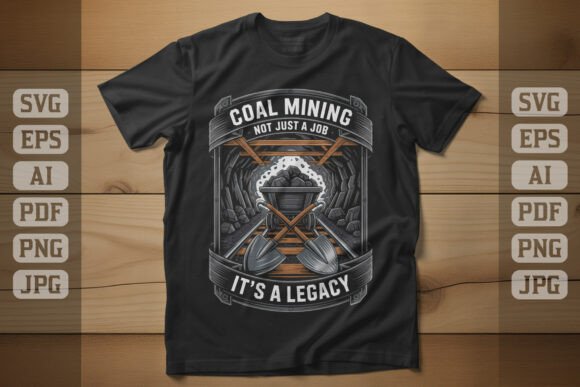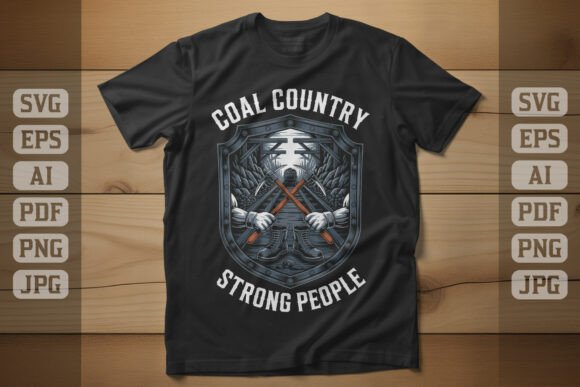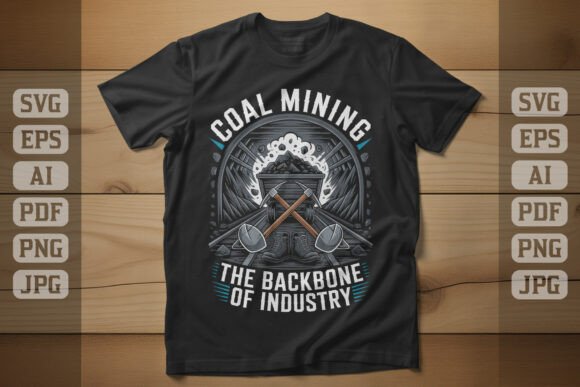
Coal Miners Don’t Quit Industrial Art
As a designer who spends more time looking at stitch density and thread tension than scrolling through social media feeds, I approach every new embroidery file with a healthy dose of skepticism. The market is saturated with generic clipart disguised as vector art, but when something comes along that actually respects the medium of thread, it demands attention. That is exactly how I felt about Coal Miners Don t Quit Industrial Art. This isn't just another retro graphic slapped onto a PDF; it feels like a design born from an understanding of what embroidery can actually achieve.
The First Impression: Mood and Visual Weight
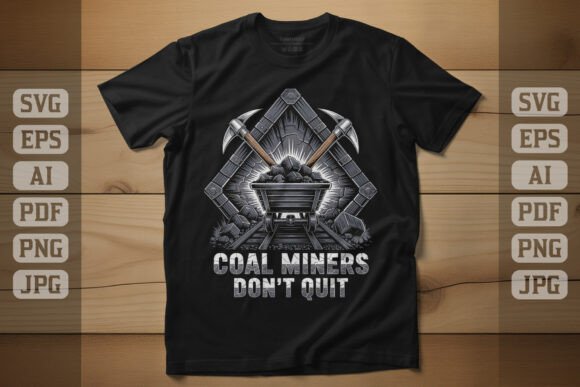
When you first load this design into your digitizing software, the immediate takeaway is its industrial grit. The title says it all: "Coal Miners Don't Quit." It carries a weight that is perfect for the T-Shirt Designs category, but its versatility extends far beyond standard apparel. The visual personality is bold, unapologetic, and rooted in legacy. For those of us who create handmade product lines, capturing that specific mood—strength, dedication, and hard work—is often the hardest part. This design nails it.
The layout suggests a strong central focal point, likely utilizing heavy fill stitch areas to represent texture, perhaps mimicking the roughness of coal or the durability of workwear. The typography appears robust, avoiding the fragile, thin lines that often unravel during the stitching process. It feels grounded. It doesn't try to be delicate; it tries to be permanent. That distinction matters immensely when you are deciding whether this piece will hold up on a customer’s chest day after day.
Real-World Application: From Screen to Stitch
I recently found myself preparing a custom order for a client who wanted a gift for her father, a retired miner. He wasn't interested in frilly things; he wanted something that represented his career. I pulled up Coal Miners Don t Quit Industrial Art and started thinking about where it would live. My mind immediately went to a heavyweight cotton sweatshirt. The thick fabric provides the necessary stability for the dense stitching, and the muted tones of the design would pop against a charcoal or navy background.
However, the potential uses don't stop there. This design has the structural integrity to work beautifully as an embroidered patch for a denim jacket or a tool bag. Imagine placing it on the back of a high-quality canvas tote bag—it transforms a simple accessory into a statement piece. The industrial aesthetic also lends itself surprisingly well to kitchen environments. A tea towel or an apron featuring this motif adds a touch of rugged charm to a home that values craftsmanship. It bridges the gap between rugged utility and decorative appeal, making it a versatile asset for any craft business.
For the Etsy seller or small shop owner, this design offers a unique niche. While many sellers flood the market with floral patterns or generic inspirational quotes, this piece targets a specific demographic that appreciates heritage and labor pride. It speaks to buyers who want their purchases to have a story. When you present this as a personalized gift, you aren't just selling an embroidered image; you are selling respect for a hardworking life.
Where Caution Is Required
No design is flawless, and Coal Miners Don t Quit Industrial Art is no exception. Its strength is also its potential weakness if placed incorrectly. Because the design relies on bold shapes and likely higher stitch density, it requires careful consideration regarding placement.
- Small Hoop Sizes: If you attempt to fit this into a tiny hoop, such as one used for baby socks or miniature accessories, the details may become muddy. The individual stitches might merge together, losing the clarity that makes the design effective. Stick to hoops that allow the artwork to breathe.
- Textured and Stretchy Fabrics: While heavy cottons are ideal, this design might struggle on highly textured fabrics like bouclé or very stretchy jersey knits without proper stabilization. The tension could cause puckering, especially around the edges of the fill stitch areas.
- Curved Surfaces: Placing this on a curved surface like a baseball cap requires precision. If the design is too wide or the curve is too tight, the text may distort. Always test the curvature before committing to a final production run.
- Dense Stitch Areas: Be mindful of the thickness created by dense fills. On thinner fabrics, this can create a stiff, uncomfortable spot. Ensure you are using the correct type of stabilizer to support the weight of the thread.
Technical Considerations for the Designer
Before adding this to your commercial catalog or personal stash, there are practical steps every designer should take. First, always test the design on scrap fabric that matches the final product in weight and texture. This reveals how the thread colors interact with the material and whether the satin stitch edges are clean or jagged.
It is also wise to inspect the design in black and white. Sometimes, color hides poor contrast between adjacent elements. By viewing it monochromatically, you can ensure that the separation between the text and the graphic elements remains clear even when viewed from a distance. This is crucial for commercial embroidery where legibility is key.
Check the hoop size requirements carefully. Does the design require a large frame? If so, does that limit your machine capabilities or increase your setup time? Understanding the logistical side of the design helps you price your finished product accurately. Additionally, verify the licensing terms. As a digital embroidery file, usage rights vary. Ensure you have the permission to sell finished items if you plan to use this for profit. Using it for personal projects is usually straightforward, but commercial use requires explicit confirmation.
Impact on Brand and Customer Trust
Using a high-quality, well-digitized design like Coal Miners Don t Quit Industrial Art elevates your brand perception. Customers can tell the difference between a rushed, low-resolution transfer and a meticulously stitched piece. When a buyer receives a garment with crisp lines, consistent tension, and vibrant thread colors, their trust in your craftsmanship increases. This leads to better reviews, repeat customers, and stronger word-of-mouth marketing.
The design’s theme also fosters emotional engagement. People buy handmade goods to connect with the maker and the message. A design that honors the resilience of miners resonates deeply with families who value these traits. It turns a simple piece of clothing into a keepsake. Whether it ends up on a sweatshirt embroidery project for a father or a holiday embroidery gift for a grandfather, the emotional payoff is significant.
Final Verdict
In a sea of disposable digital assets, Coal Miners Don t Quit Industrial Art stands out as a thoughtful, durable, and visually striking choice. It respects the medium of embroidery while delivering a powerful message. For designers, small shop owners, and creative entrepreneurs, it offers a reliable tool to create meaningful custom apparel and decorative accents. Just remember to respect its technical needs—test thoroughly, stabilize properly, and place it wisely. When done right, this design will not only look great but will serve as a testament to the quality and care you put into your work.