Review: Cowboy Saloon Continuous Line Art for Embroidery
When I browse through new Illustrations and Graphics intended for the hoop, I am rarely impressed by generic clip art. However, when I stumbled upon the Cowboy Saloon Continuous Line Art, it immediately caught my eye as a potential asset for my next batch of handmade products. As a designer who frequently creates custom apparel and boutique items, I look for designs that possess character, simplicity, and stitching viability. This piece delivers on all three fronts, offering a distinct vintage western vibe that feels authentic rather than forced.
First Impressions and Visual Personality
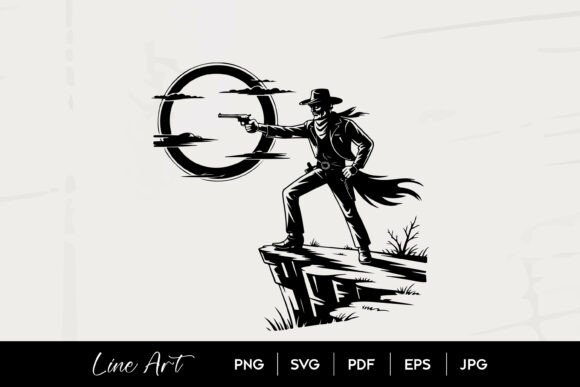
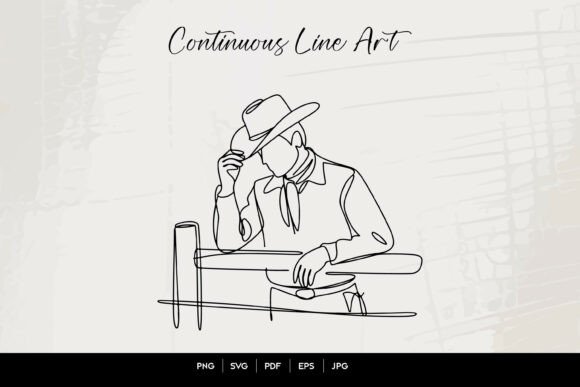
The moment you open the file, the continuous line aesthetic stands out. It is clean, minimalist, and relies on negative space to tell its story. The design features a classic saloon scene—complete with what appears to be a cowboy figure, perhaps a hat or a bar element—rendered in a single, unbroken stroke style. This approach is brilliant for embroidery because it inherently suggests movement and flow. Unlike complex, multi-layered illustrations that can become muddy when stitched, this design promises clarity.
The mood is undeniably retro and rugged. It evokes images of wild west towns, dusty trails, and old-fashioned whiskey bars. For an Etsy seller or small shop product creator, this thematic strength is invaluable. It allows you to tap into the popular "cottagecore" or "western chic" aesthetics without needing intricate color gradients or shading. The visual personality is confident and bold, making it suitable for a wide range of audiences, from rodeo enthusiasts to those who simply appreciate vintage Americana.
Real-World Application: The Tote Bag Scenario
To truly judge an embroidery design, you have to imagine it on a finished product. Let’s say I am preparing a custom embroidered tote bag for a local craft fair. I want something that appeals to both tourists and locals. A busy, detailed graphic might get lost on canvas, but the Cowboy Saloon Continuous Line Art would pop beautifully against a natural jute or heavy cotton background.
Imagine a beige canvas tote with the black line art centered on the front panel. The stark contrast between the dark thread and the light fabric highlights the continuous line technique, turning a simple bag into a statement piece. It works equally well as a personalized gift for a rancher or a unique accessory for a music festival attendee. The design’s simplicity ensures that it remains legible even from a distance, which is crucial for craft business items displayed on racks.
I also envision this design on a heavyweight sweatshirt. Placed over the heart or across the back yoke, the western theme adds a layer of storytelling to the garment. It transforms basic apparel into a conversation starter. For custom apparel decorators, this means higher perceived value. Customers are willing to pay more for items that feel curated and artistic, and this design provides that artistic flair without requiring hours of tedious stitching.
Versatility Across Product Types
Beyond bags and sweatshirts, this embroidery project has surprising versatility. Here is how it translates to other common items:
- Embroidered Patches: The clean lines make it ideal for iron-on patches. Whether attached to denim jackets or backpacks, the design holds its shape well.
- Kitchen Towels and Aprons: For the home cook with a rustic kitchen, this design adds a touch of humor and style. It pairs well with tea towels featuring other western motifs.
- Baby Embroidery: While the theme is rugged, the soft line work makes it surprisingly gentle enough for baby onesies or burp cloths, appealing to parents who love the country lifestyle.
- Holiday Gifts: During the holiday season, this design fits perfectly into Christmas markets or as a unique gift for someone who loves Texas culture or outdoor adventures.
Technical Considerations and Stitching Clarity
As a professional reviewer, I must address the technical side. Continuous line art often relies heavily on satin stitch outlines to define the shape. When evaluating design assets, I always check the stitch density. If the density is too high, the fabric may pucker; if too low, the stability suffers. Based on the visual weight of this illustration, it likely requires a balanced approach.
I recommend using a stable stabilizer such as cut-away for stretchy fabrics like caps or t-shirts, and tear-away for woven fabrics like tote bags. The thread colors should be chosen carefully. Black, navy, or deep brown threads will provide the best contrast for most neutral backgrounds. However, if you are working with dark fabric, you may need to use a lighter thread or add a backing stabilizer to prevent show-through.
One critical note: inspect the small details before finalizing your production run. While continuous line art is generally forgiving, tiny intersections in the line work can sometimes merge during stitching. Testing on scrap fabric first is non-negotiable. This step helps you confirm the hoop size compatibility and ensures that the machine can handle the specific curves and angles of the design without tangling.
Where to Use With Caution
Not every surface is created equal. There are situations where this design might struggle:
- Small Hoop Sizes: If you attempt to digitize or embroider this at a very small scale (under 2 inches), the continuous line may become indistinguishable. Keep the minimum size reasonable to preserve the artistic intent.
- Textured Fabrics: Heavily textured materials like bouclé or thick fleece can obscure fine line work. Stick to smooth surfaces like cotton, linen, or denim for the clearest result.
- Curved Surfaces: While caps are popular, ensure the design is placed on a flat enough section of the cap to avoid distortion. Curving the embroidery itself can stretch the delicate lines.
- Frequent Washing: For items that will undergo rigorous washing, such as workwear, ensure proper finishing techniques to prevent fraying of the satin stitches.
Impact on Brand and Customer Trust
In the world of digital embroidery files and handmade goods, presentation is everything. Using a high-quality, coherent design like Cowboy Saloon Continuous Line Art signals professionalism. It shows customers that you care about aesthetics and detail. When buyers see a clean, well-executed embroidery job, their trust in your brand increases. They associate the quality of the stitch with the quality of your entire product line.
Furthermore, this design enhances brand consistency. If you are building a western-themed boutique, incorporating this motif alongside other compatible graphics creates a cohesive collection. It helps in creating a recognizable identity that customers return to. Whether you are selling physical goods or using the image in printable mockups for digital previews, the strong visual impact drives engagement.
Final Verdict
The Cowboy Saloon Continuous Line Art is a standout addition to any designer’s library. It balances artistic flair with practical embroidery considerations, making it a smart choice for commercial embroidery projects. Its ability to adapt to various products—from tote bag design applications to sweatshirt embroidery—makes it a versatile tool for creative entrepreneurs.
Before diving into full production, remember to test thoroughly. Check your machine compatibility settings, verify the file formats (SVG, PNG, EPS, JPG, PDF) suit your workflow, and confirm licensing terms if you plan to sell finished items. By doing your due diligence, you can leverage this design to create memorable, high-value products that resonate with your audience. For anyone looking to add a touch of wild west charm to their handmade product offerings, this is a reliable and stylish choice.