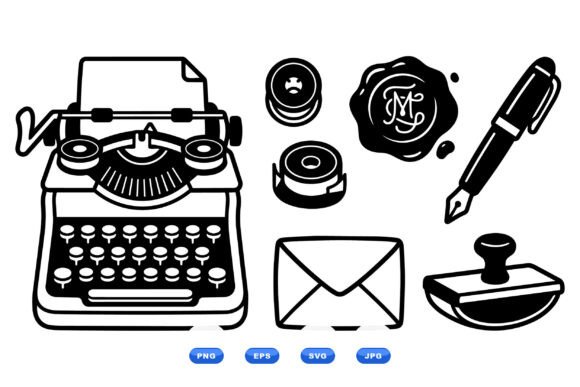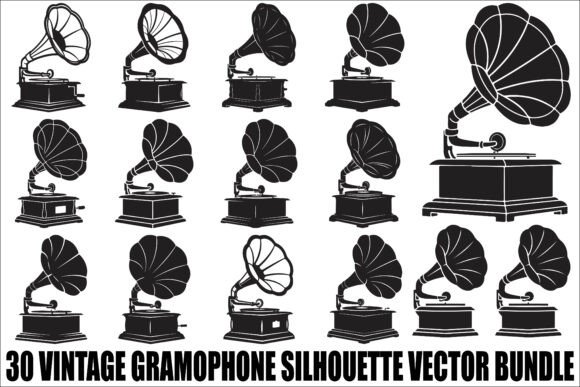
Vintage Gramophone Silhouette Bundle
As a designer who spends more time than I care to admit staring at stitch lines and fabric grain, I have learned that the difference between a good embroidery project and a great one often comes down to the source file. It is not just about whether the design fits in the hoop; it is about how the shapes translate from vector space to thread. When I first pulled up the Vintage Gramophone Silhouette Bundle, I was immediately struck by its potential for commercial viability and aesthetic warmth. This is not merely a collection of clip art; it is a set of design assets that speak directly to the nostalgia-driven market that currently dominates platforms like Etsy and independent craft fairs.
The mood created by these silhouettes is distinctively retro yet timeless. The detailed horn speakers and traditional wooden bases are rendered with enough clarity to hold their own on textured fabrics, while the overall silhouette remains clean enough to avoid visual clutter when stitched at smaller scales. For any creative entrepreneur or Etsy seller looking to expand their catalog with items that feel curated rather than mass-produced, this bundle offers a strong foundation. It bridges the gap between Illustrations and functional Graphics, providing a versatile toolset for everything from personalized gifts to boutique branding.
Real-World Application: From Screen to Stitch
To truly evaluate an embroidery file, you have to imagine it on a physical product. Let’s look at a specific scenario: preparing a custom embroidered tote bag for a local artisan market. The goal is to create a handmade product that feels premium but is quick to produce. Using the Vintage Gramophone Silhouette Bundle for this purpose makes immediate sense. The high-contrast nature of a silhouette works exceptionally well on canvas or heavy cotton blends, which are standard for durable tote bags.
When I visualize this design stitched onto a natural linen tote, the dark thread against the light fabric creates a striking focal point. It does not require complex color changes or intricate shading to look professional. Instead, it relies on the strength of the outline and the negative space within the gramophone horns. This simplicity is a feature, not a bug. It reduces production time while maintaining a high perceived value. Customers scanning through listings for custom apparel or accessories are drawn to designs that are legible from a distance. A gramophone silhouette achieves this instantly, evoking themes of music, history, and vintage charm without needing explanation.
This same logic applies to other products. Imagine this design on a crewneck sweatshirt. The sweatshirt embroidery market is saturated, but a well-executed vintage graphic can cut through the noise. Placing a single, large gramophone silhouette centered on the chest, or perhaps a cluster of smaller ones across the back, creates a statement piece. The design’s clean lines ensure that even if the fabric has a slight heathered texture, the image remains sharp. For apparel decorators and small shop owners, this versatility means you can use the same core asset across multiple product types—tote bags, shirts, and even embroidered patches—maximizing your return on investment for each design purchased.
Technical Considerations and Fabric Choices
While the visual appeal is strong, practical execution requires careful planning. Not all fabrics play nice with every design type. When working with the Vintage Gramophone Silhouette Bundle, you must consider the fabric texture and stability. On stretchy knits, such as those used for baby clothes or casual t-shirts, the risk of distortion increases. If you plan to use this for baby embroidery projects, such as onesies or burp cloths, it is crucial to use a high-quality tear-away or cut-away stabilizer depending on the fabric weight. The dense areas around the wooden base of the gramophone may require additional stabilization to prevent puckering.
Conversely, on woven fabrics like denim or thick cotton, the design shines. The machine embroidery design holds its shape beautifully, and the edges remain crisp. However, caution is advised when stitching on dark fabrics using light thread, or vice versa, unless the contrast is intentional. A common mistake is underestimating how thread thickness affects fine details. If the silhouette includes very thin decorative elements, they may disappear into the weave of a coarse fabric. Always inspect the small details before committing to a full run. Testing on scrap fabric is non-negotiable. It allows you to verify that the stitch density is appropriate and that the hoop size accommodates the design without unnecessary trimming.
Another critical factor is the choice of thread colors. While a classic black-on-white or white-on-black combination is safe and effective, experimenting with metallic threads for the horn accents can elevate the design. This adds a touch of luxury, making the finished product suitable for higher-end markets, such as wedding gifts or holiday decor. Just remember that metallic threads behave differently than polyester or rayon; they may require adjusted tension settings. Checking your machine’s manual and running a test swatch will save you from frustration during peak selling seasons.
Strategic Placement and Product Value
The way you place the design significantly impacts its visual appeal and product value. For kitchen towels or tea towels, a centered placement works well, appealing to homeowners who enjoy vintage aesthetics. For pillow covers, consider placing the design off-center or repeating it in a pattern to create a more dynamic look. This variety keeps your inventory fresh and encourages customers to buy multiple items. In the context of holiday embroidery, these designs fit perfectly with autumn and winter themes, adding a cozy, nostalgic feel to seasonal merchandise.
For commercial embroidery projects, consistency is key. Using the Vintage Gramophone Silhouette Bundle across different product lines helps build a recognizable brand identity. If your shop specializes in vintage-inspired goods, having a cohesive library of designs ensures that your printable mockups and actual products align seamlessly. This professionalism builds customer trust and enhances buyer engagement. People buy from shops that look intentional and curated. A scattered mix of unrelated graphics can dilute your brand message, whereas a focused collection like this one reinforces your niche.
Practical Designer Notes for Success
Before you upload this bundle to your digitizing software or start stitching, there are several steps to take. First, review the digital embroidery file structure. Ensure that the layers are organized correctly, especially if you plan to use applique techniques. An applique design approach could add depth to the gramophone body, separating it from the background fabric for a more dimensional effect. If you stick to standard satin and fill stitches, pay close attention to the running stitch outlines to ensure they do not become too rigid.
It is also wise to compare the design in both light and dark fabric backgrounds. Sometimes, a silhouette that looks perfect on a white screen appears muddy on a grey fabric due to thread sheen. Creating a printable mockup in grayscale can help you assess contrast levels early in the process. Additionally, confirm whether the license allows for commercial use if you intend to sell finished items. Many graphics bundles come with specific terms regarding craft business sales, so reading the fine print protects your small business from legal issues.
Finally, think about the end-user experience. How will the customer interact with the product? A tote bag design needs to withstand frequent washing and carrying. A design with overly dense stitching might become stiff and uncomfortable over time. Balancing aesthetics with durability is what separates a hobbyist project from a professional offering. By carefully selecting the right fabric, stabilizer, and thread, and by testing thoroughly, you can ensure that the Vintage Gramophone Silhouette Bundle delivers a finished product that delights customers and stands up to real-world use.