You Rn Good Hands Embroidery Review
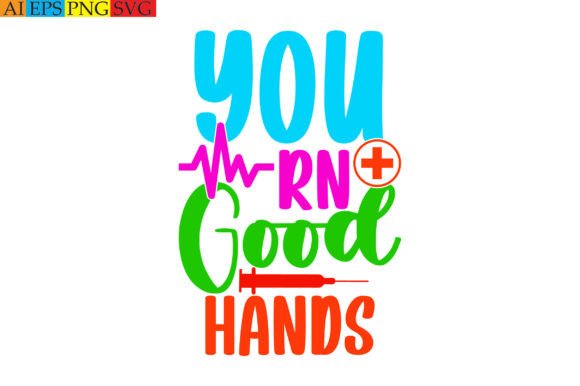
As a designer who spends half my day staring at stitch maps and the other half trying to convince clients that embroidery is worth the premium price tag, I don’t just look at a design file; I look at the end product. When you see a graphic labeled You Rn Good Hands, it immediately signals a specific vibe: comfort, reassurance, and a touch of nostalgic warmth. It’s not just text; it’s an emotional anchor for a garment or accessory.
I recently pulled this typography and calligraphy graphic from a T-Shirt Designs collection to evaluate its potential for real-world application. The file comes as a versatile zip containing AI, EPS, PNG, and SVG formats, which is great for vector scaling, but for us in the embroidery world, the true test lies in how those curves translate into thread. Here is my practical breakdown of how this design performs when it moves from your screen to the hoop.
The First Impression: Mood and Layout
The visual personality of You Rn Good Hands leans heavily into vintage retro aesthetics. The typography feels hand-drawn, with a slight wobble that suggests human imperfection rather than rigid digital precision. This is crucial for embroidery because machines struggle with "perfect" straight lines on soft fabrics, but they excel at replicating organic, flowing shapes.
When I first laid out the design on a mockup, the layout felt balanced. The phrase itself is short enough to be legible even at smaller scales, yet the calligraphic flourishes give it enough visual weight to stand alone on a chest pocket or the center back of a sweatshirt. It doesn’t scream for attention like bold streetwear graphics; instead, it invites the wearer in. For a small business owner looking to create boutique branding or personalized gifts, this kind of subtle, comforting message often sells better than aggressive slogans. It feels approachable.
Real-World Application: Where It Shines
In my experience, certain designs naturally gravitate toward specific products. You Rn Good Hands has a strong affinity for items associated with care, home, and relaxation. Let’s look at a few scenarios where this design would genuinely add value to a finished product.
- Custom Apparel and Sweatshirts: This is the most obvious use case. On a heavyweight cotton sweatshirt, the retro font pairs beautifully with the texture of the fabric. It works particularly well as a chest logo on a unisex tee or centered on the back of a pullover. The design brings a sense of casual professionalism to custom apparel.
- Baby and Nursery Items: There is something inherently protective about the phrase "You're in good hands." Translating this into baby embroidery—on muslin blankets, burp cloths, or onesies—creates an instant emotional connection with new parents. The soft curves of the calligraphy mimic the gentle nature of the recipient.
- Home Goods and Kitchen Textiles: Don’t overlook tea towels or aprons. A kitchen towel embroidered with this phrase adds a layer of hospitality to a home. It turns a utilitarian object into a piece of decor. Similarly, on an apron, it serves as a friendly greeting for anyone wearing it while cooking.
- Tote Bags and Patches: For Etsy sellers and craft fair vendors, this design translates well onto canvas tote bags. The contrast between the rugged canvas and the delicate thread work highlights the quality of the stitching. It also makes for a sturdy embroidered patch that can be ironed or sewn onto denim jackets or backpacks.
Technical Considerations and Stitch Execution
While the graphic looks beautiful in a digital preview, converting it into a machine embroidery design requires careful planning. The file includes vector formats like AI and EPS, which allows for precise digitizing, but the final result depends entirely on how the stitch density and hoop size are managed.
One of the biggest risks with typography-based embroidery files is the stability of the letters. If the fill stitch areas are too dense, the fabric will pucker, ruining the clean lines of the calligraphy. Conversely, if the running stitch outlines are too sparse, the design may look thin and cheap on thicker fabrics like fleece or heavy denim. I recommend testing the design on scrap fabric first to gauge how the thread colors interact with the base material.
Another critical factor is the stabilizer. Because this design relies on smooth curves, using a high-quality cut-away stabilizer is non-negotiable, especially if you are working with stretchy knits or lightweight jerseys. Without proper support, the tension will distort the lettering, making "Good Hands" look uneven or skewed.
Where to Be Careful
There are specific situations where this design might not perform as well. Avoid using this on highly textured fabrics like terry cloth or bouclé, as the intricate details of the calligraphy will get lost in the weave. Similarly, be cautious with very small hoop sizes. If you try to shrink the design down to fit a tiny hat brim or a miniature pouch, the fine details of the retro font may become muddy and indistinguishable.
Dark fabrics present another challenge. While black thread on black fabric can look sleek, it lacks the pop needed to convey the warmth of the message. I strongly advise pairing this design with light-to-medium background fabrics or using high-contrast thread colors to ensure the text remains readable. Also, keep in mind that curved surfaces like baseball caps require careful hooping techniques to prevent the text from warping.
Impact on Product Value and Branding
From a commercial standpoint, the choice of design affects perceived value. A generic clip-art style design often signals a low-cost, mass-produced item. However, a well-executed machine embroidery design with thoughtful typography, like You Rn Good Hands, elevates the product. It suggests that the seller cares about detail and quality.
For Etsy sellers and small shop owners, this distinction is vital. Customers are willing to pay more for handmade goods that feel personal and polished. Using a design that conveys positivity and care can enhance customer trust and engagement. It transforms a simple t-shirt or tote bag into a meaningful gift, increasing its giftability.
Furthermore, consistency matters. If you are building a brand around comfort, wellness, or family, incorporating designs with similar thematic elements helps reinforce your identity. You Rn Good Hands fits seamlessly into a catalog of personalized gifts or holiday embroidery collections, creating a cohesive look that buyers recognize and return to.
Final Verdict for Designers and Makers
Ultimately, You Rn Good Hands is a strong candidate for any embroiderer looking to add a touch of vintage charm and emotional resonance to their projects. Its versatility spans across custom apparel, home decor, and accessories, making it a valuable asset in your design assets library.
However, success lies in the execution. Always review the stitch density, choose the right thread colors for contrast, and never skip the test run on scrap fabric. By paying attention to these technical details, you can ensure that the final finished product reflects the quality and care embedded in the original graphic. Whether you are creating a one-off personalized gift or stocking shelves for your craft business, this design offers a reliable blend of aesthetic appeal and marketability.
If you are ready to bring this project to life, take the time to prepare your materials properly. Check your licensing terms if you plan to sell commercial embroidery items, and ensure your machine is calibrated for the best possible output. With the right preparation, You Rn Good Hands can become a standout piece in your portfolio.