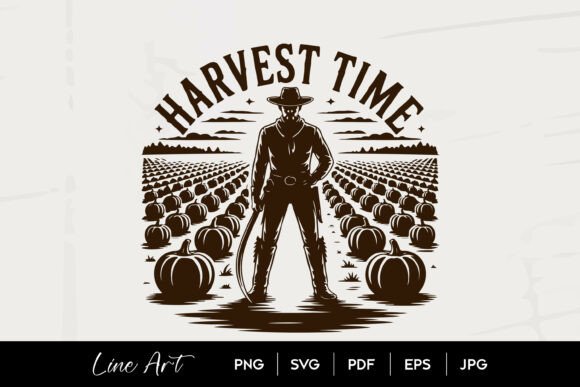
Harvest Time Cowboy Pumpkin Field Art
As a designer who spends more time than I care to admit staring at stitch charts and testing thread tension, I don’t just look at an embroidery file; I look at how it will behave on the hoop. When I first pulled up Harvest Time Cowboy Pumpkin Field Art, my immediate thought wasn't about the aesthetic—it was about execution. This is an Illustrations category piece that falls squarely into the Graphics type, but in our world, that distinction matters less than whether the design translates well from a screen to fabric. After running through some mental simulations of stitching this out for various client projects, here is my practical breakdown of what works, where it shines, and where you might want to proceed with caution.
The First Impression: Mood and Layout
The visual personality of Harvest Time Cowboy Pumpkin Field Art is distinctively rustic. It captures the essence of autumn without leaning too heavily into cliché cartoonishness. The composition suggests a western farm landscape, which gives it a grounded, authentic feel. For an embroidery project, this kind of narrative depth is valuable because it tells a story instantly. Whether you are creating a personalized gift for a rancher or a seasonal decoration for a boutique home decor line, the theme resonates.
From a design perspective, the layout feels balanced. It isn’t overly cluttered, which is a common pitfall in harvest-themed designs. The elements—pumpkins, cowboy motifs, and field scenery—are arranged in a way that allows the eye to travel across the piece naturally. This is crucial for custom apparel where the design needs to sit comfortably on the chest or back of a garment without feeling cramped. The artistic style suggests it would work beautifully as a centerpiece for a larger collection, perhaps paired with complementary text or smaller accent motifs.
Real-World Application: Where Does It Fit?
I often get asked, "What product should I make with this?" Based on my experience, Harvest Time Cowboy Pumpkin Field Art has versatile applications across several categories. Here is how I see it performing in real-life scenarios:
- Custom Apparel and Sweatshirts: This design screams fall season. Imagine this stitched onto a heavyweight cotton sweatshirt in a heather grey or olive green. The contrast between the warm tones of the pumpkin field and the muted fabric creates a sophisticated, handmade look. It fits perfectly into the sweatshirt embroidery niche, appealing to customers looking for cozy, seasonal wear.
- Tote Bags and Market Accessories: A canvas tote bag design featuring this art would be a hit at craft fairs. The rugged nature of the cowboy theme pairs well with durable fabrics like denim or heavy canvas. It appeals to the Etsy seller demographic who values authenticity and storytelling in their merchandise.
- Home Decor and Kitchen Textiles: Think tea towels, aprons, and pillow covers. The rustic country life vibe makes this ideal for kitchen textiles. An embroidered patch version could also work well on a denim jacket or a leather apron, adding a touch of personality to utilitarian items.
- Holiday Gifts and Seasonal Merchandise: As we move toward Q4, this design hits the sweet spot between Thanksgiving and general autumn decor. It is broad enough to appeal to a wide audience but specific enough to feel curated. It serves as an excellent holiday embroidery asset for small shop owners looking to stock up before the rush.
Technical Considerations and Stitch Clarity
While the visual appeal is strong, the devil is in the details. When evaluating any machine embroidery design, I always consider the stitch density and the complexity of the shapes. Harvest Time Cowboy Pumpkin Field Art appears to have a mix of graphic elements that require clean lines. If the design relies heavily on tiny details, such as intricate facial features on a cowboy hat or fine textures in the pumpkin vines, you need to ensure your machine can handle it.
For best results, pay close attention to the stitch density. If the fill areas are too dense, the fabric may pucker, especially on lighter materials. Conversely, if the outlines are too thin, they might disappear into the fabric texture. I recommend using a high-quality stabilizer appropriate for your base fabric. For stretchy knits, a cut-away stabilizer is non-negotiable to prevent distortion. For woven fabrics like linen or cotton twill, a tear-away might suffice, provided the hoop size is managed correctly.
Thread color selection is another critical factor. To maintain the rustic charm, stick to earth tones. Burnt orange, deep brown, mustard yellow, and forest green will enhance the thread colors available in most standard threads. Avoid neon or overly bright synthetic threads, as they can detract from the organic feel of the Graphics.
Where to Use With Caution
Not every surface is created equal. There are specific scenarios where Harvest Time Cowboy Pumpkin Field Art might not perform as intended:
- Small Hoop Sizes: If you are working with a very small hoop (under 4x4 inches), intricate background details may become muddy. Test the design at your smallest target size first to ensure legibility.
- Textured or Stretchy Fabrics: On highly textured fabrics like bouclé or very stretchy spandex blends, the definition of the running stitch and satin stitch edges can be lost. Stick to smooth, stable fabrics for the crispest result.
- Dense Stitch Areas: If the design includes large solid blocks of fill, be wary of using it on thin fabrics without proper backing. The weight of the thread can cause the fabric to buckle over time, affecting the durability of the finished product.
- Curved Surfaces: While caps are popular, complex landscapes can distort when stitched around the curve of a hat brim or crown. Flat surfaces like tote bags, pillows, and shirts are safer bets for maintaining the integrity of the composition.
Professional Tips for Embroidery Designers
To ensure your use of Harvest Time Cowboy Pumpkin Field Art meets professional standards, follow these practical steps:
- Test on Scrap Fabric: Always run a test stitch on the exact fabric you plan to use. This reveals issues with tension, puckering, or color contrast that you won't see on paper.
- Check Contrast: View your design in black and white mockups. This helps you assess the value structure and ensures that light and dark elements remain distinct after stitching.
- Verify Licensing: Before listing any commercial embroidery products on Etsy or your own shop, double-check the license terms. Ensure you are permitted to sell finished goods made from the digital embroidery file.
- Inspect Small Details: Zoom in on the digital preview. Look for any overlapping stitches or tiny gaps that might cause thread breaks during production.
- Consider the End User: Remember that handmade product buyers appreciate quality. A clean, well-executed stitch job builds trust and encourages repeat business. Don't let a great design be ruined by poor technique.
Final Verdict
Harvest Time Cowboy Pumpkin Field Art is a strong contender for anyone looking to add a touch of western charm to their autumn collection. Its rustic aesthetic and balanced layout make it suitable for a wide range of embroidery project types, from personal gifts to commercial merchandise. By paying attention to fabric choice, stabilizer usage, and stitch settings, you can create a finished product that stands out in a crowded market. It’s a design that respects the craft while delivering visual impact, making it a worthwhile addition to your design assets library.